
 By
By 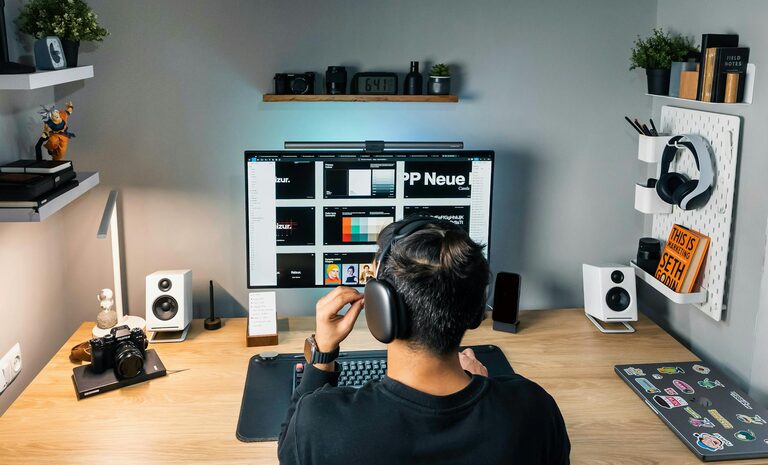
Creating a cozy and productive home office space can transform your work-from-home experience. When your workspace feels inviting and supports your daily tasks, you’re more likely to stay motivated and get more done. Whether you have a dedicated room or a small nook, these tips will help you design a home office that balances comfort with efficiency.
Choose the Right Location
Selecting the best spot for your home office is the first step. Ideally, find a quiet area with minimal distractions. Consider a space with natural light, such as near a window, to boost your mood and reduce eye strain. If a separate room isn’t available, pick a corner or an underused space and make it your own.
Invest in Comfortable Furniture
Comfort is key to long hours of productive work. Invest in a good-quality ergonomic chair that supports your back and encourages proper posture. Pair it with a desk that fits your space and meets your needs, whether it’s spacious enough for dual monitors or compact enough for a laptop and notebook.
Optimize Lighting
Good lighting makes a huge difference. Natural light is best, but when that’s limited, add layered lighting. Use a combination of overhead lights, desk lamps, or floor lamps to avoid harsh shadows and eye fatigue. Consider warm light bulbs for a cozy atmosphere that’s easy on the eyes.
Keep Your Space Organized
An organized office helps reduce stress and keeps you focused. Use shelves, cabinets, or storage boxes to keep clutter out of sight. A tidy desk can motivate you and save time searching for supplies. Try organizing cords and chargers with clips or boxes to prevent tangles.
Personalize Your Office
Add elements that inspire you. This might be artwork, plants, or meaningful photos. Plants not only add life and color but also improve air quality, making your space healthier. Personal touches make your office feel inviting and encourage creativity.
Incorporate Functional Technology
Make sure your workspace supports your technology needs. A good-quality monitor, keyboard, and mouse can increase comfort and efficiency. Consider noise-cancelling headphones if you work in a noisy environment. Also, ensure you have reliable internet connectivity and charging stations to keep your devices powered.
Create Zones for Different Tasks
If space allows, define areas for different activities. For example, have a primary work zone for computer tasks and another smaller area for writing or brainstorming. This separation helps your brain switch gears and can reduce fatigue.
Control Temperature and Air Quality
Comfort isn’t just about furniture and lighting. Maintain a comfortable temperature and ensure good ventilation. A small fan, heater, or air purifier can make your workspace more pleasant and conducive to focus.
Establish Boundaries
Finally, set clear boundaries between your work and personal life. This can be physical, like closing a door when work hours end, or digital, like turning off work notifications. Having a dedicated home office helps you mentally shift into work mode and know when it’s time to relax.
—
Creating a cozy and productive home office requires thoughtful planning, but the result is well worth it. By focusing on comfort, organization, and personalization, you’ll build a workspace that supports both your well-being and your work goals. Start with a few changes and adjust as you discover what works best for you.